
Quick Summary
- Carbon monoxide (CO) is a colorless, odorless gas produced by fuel-burning appliances, and exposure can be fatal.
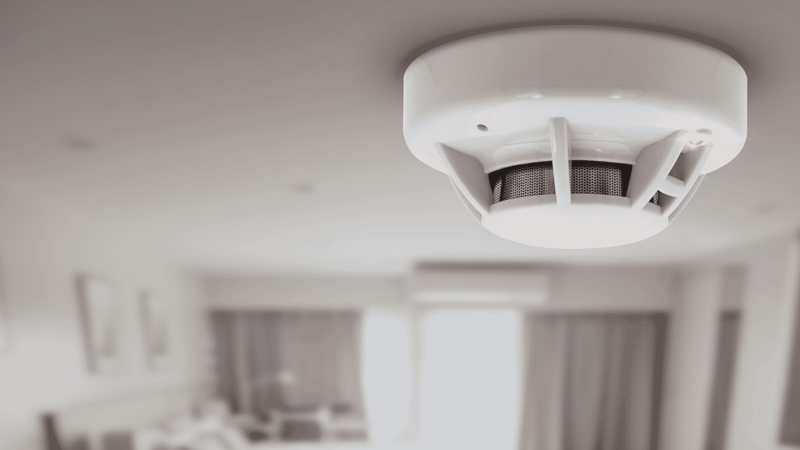
- CO detectors should be installed on every level of your home, near sleeping areas, and close to attached garages.
- Professional installation ensures proper placement and integration with your home security system.
- CO detectors have a limited lifespan and must be tested regularly and replaced on schedule.
- Integrating CO detection with 24/7 monitoring provides added protection, especially when you are away from home.
What Is Carbon Monoxide and Why Is It Dangerous?
Carbon monoxide (CO) is a gas produced when fuels such as natural gas, propane, oil, wood, and charcoal burn incompletely. Common household sources include furnaces, water heaters, gas stoves, fireplaces, generators, and vehicles running in attached garages. When these appliances malfunction or lack proper ventilation, CO can accumulate indoors to dangerous levels.
What makes carbon monoxide so hazardous is the way it affects the human body. When you breathe in CO, it binds to the hemoglobin in your blood far more easily than oxygen does, slowly starving your organs and tissues of oxygen. Early symptoms often mimic the flu and include headaches, dizziness, nausea, confusion, and fatigue. At higher concentrations, CO exposure can cause loss of consciousness, permanent brain damage, and death.
According to the Centers for Disease Control and Prevention (CDC), at least 420 people die from accidental CO poisoning in the United States each year, and more than 100,000 visit emergency rooms due to exposure. These numbers underscore why having functioning CO detectors in your home is essential.
Common Sources of Carbon Monoxide in Your Home
Understanding where carbon monoxide comes from is the first step toward preventing dangerous exposure. The most common household sources include:
- Gas furnaces and boilers that are aging or improperly maintained
- Water heaters powered by natural gas or propane
- Gas stoves and ovens, particularly when used for supplemental heating
- Fireplaces and wood-burning stoves with blocked or damaged chimneys
- Portable generators operated too close to the home
- Vehicles left idling in an attached garage
- Gas dryers with blocked or kinked exhaust vents
Many of these sources are part of everyday life, especially during the colder months in North Carolina when furnaces and fireplaces see heavy use. Regular maintenance and proper ventilation are important, but they are not a substitute for having reliable detection equipment in place.
Carbon monoxide detectors can be combined with advanced fire detection strategies. Read our blog on advanced fire-detection beyond basic smoke alarms.
Where to Place Carbon Monoxide Detectors
Proper placement of CO detectors is just as important as having them in the first place. A detector installed in the wrong location may not alert you in time. Here are the key guidelines for placement:
- Install a CO detector on every level of your home. Carbon monoxide can accumulate on any floor, so full coverage ensures early detection.
- Place detectors near all sleeping areas. CO poisoning symptoms can set in while you sleep, so it is critical to have a detector within earshot of every bedroom.
- Install a detector near your attached garage. Vehicle exhaust is a significant source of CO that can seep into living spaces more easily than many homeowners realize.
- Mount detectors at the correct height. Many manufacturers recommend placing them at about five feet above the floor for the fastest response time.
- Keep detectors away from humidity and direct airflow. Avoid placing them next to windows, doors, bathrooms, or cooking appliances, as drafts and moisture can interfere with sensor accuracy.
Getting placement right can be tricky, and a professional installer can assess your home layout and identify the best positions for coverage. The team at Integrity Security offers free estimates for residential security systems, including CO detection, and can help you determine exactly where detectors should go in your home.
Read our blog on carbon monoxide detection, the silent protector every home needs.
The Benefits of Professional CO Detector Installation
While standalone, battery-operated CO detectors are available at most hardware stores, there are significant advantages to having your system professionally installed and integrated with your home security setup.
Proper placement and coverage. A trained security professional will evaluate your home's layout, identify potential CO sources, and position detectors for optimal performance.
Integration with your security system. When your CO detectors are part of a monitored security system, an alarm triggers a response from a monitoring center that can dispatch emergency services on your behalf, even if you are asleep or away from home. Integrity Security provides 24/7 monitoring from a local center in Statesville, NC, giving families and business owners peace of mind around the clock.
Smartphone and tablet access. Integrated systems allow you to receive alerts and check the status of your CO detectors from your phone or tablet, no matter where you are.
Reliability and maintenance support. Professional installation comes with ongoing support, so if a detector malfunctions or reaches the end of its lifespan, your security provider can help you replace it promptly. With Integrity Security, you own all of your equipment, there are no long-term contracts, and the team services your account directly.
For families across Integrity Security's service area, including communities like Statesville, Mooresville, Hickory, Winston-Salem, and throughout the foothills and piedmont of North Carolina, professional CO detection is a straightforward step toward comprehensive home protection.
Maintaining Your Carbon Monoxide Detectors
Installing CO detectors is not a set-it-and-forget-it task. Like any safety equipment, they require regular attention to remain effective. Here are the essential maintenance steps:
- Test detectors monthly. Press the test button on each unit at least once a month to confirm the alarm and sensors are working.
- Replace batteries at least once a year. Even hardwired detectors include a backup battery that needs periodic replacement. A good habit is to swap batteries when you change your clocks for daylight saving time.
- Replace detectors according to manufacturer guidelines. Most CO detectors have a lifespan of five to seven years. Check the manufacture date printed on the back of each unit.
- Keep detectors clean. Dust and debris can accumulate over the sensor openings. Gently vacuum or wipe down your detectors a few times a year.
- Never ignore a low-battery chirp. Address it immediately rather than removing the battery to silence the alert.
Recognizing the Signs of Carbon Monoxide Exposure
Even with detectors in place, knowing the symptoms of CO exposure helps you act quickly if something goes wrong. Symptoms often appear gradually and are frequently mistaken for other illnesses.
Early symptoms of CO exposure include:
- Persistent headache
- Dizziness or lightheadedness
- Nausea or vomiting
- Shortness of breath
- Confusion or difficulty thinking clearly
- Fatigue and weakness
If multiple members of your household experience these symptoms at the same time, particularly if symptoms improve when you leave the home, carbon monoxide exposure should be considered immediately. Move everyone outside to fresh air, call 911, and do not reenter until emergency responders have confirmed it is safe.
Frequently Asked Questions
How often should carbon monoxide detectors be replaced?
Most manufacturers recommend replacing CO detectors every five to seven years. The sensors inside the unit degrade over time and may not respond reliably after this period. Check the date of manufacture on the back of your detector to determine when replacement is needed.
Where is the best place to install a carbon monoxide detector?
CO detectors should be installed on every level of your home, near all sleeping areas, and close to any attached garage. Mounting them at about five feet above the floor is recommended for the fastest response time. A professional installer can evaluate your home and recommend the best placement.
Can carbon monoxide detectors be integrated with a home security system?
Yes. When CO detectors are part of a monitored security system, an alert is sent to the monitoring center, which can contact emergency services on your behalf. Integrity Security offers integrated fire and CO detection with 24/7 monitoring.
What should I do if my carbon monoxide detector goes off?
Move everyone in the household outside to fresh air immediately. Do not try to locate the source of the leak yourself. Call 911 from outside the home, and do not reenter until emergency responders have cleared the building.
Do I need carbon monoxide detectors if I have an all-electric home?
Even in all-electric homes, CO detectors are still recommended. Attached garages, portable generators used during power outages, and fuel-burning appliances can all introduce carbon monoxide into the home. North Carolina building codes also require CO detectors in most residential properties.
Protect Your Home from the Silent Threat
Carbon monoxide is a serious hazard, but it is one that can be managed effectively with the right equipment and professional support. Properly placed, well-maintained CO detectors provide an essential line of defense for your family.
If you are ready to upgrade your carbon monoxide detection or explore how CO detectors can be integrated into a complete home security system, contact Integrity Security for a free estimate. With 50 years of combined experience, local monitoring from Statesville, NC, and a commitment to honest service with no long-term contracts, the team is here to help you protect what matters most.