
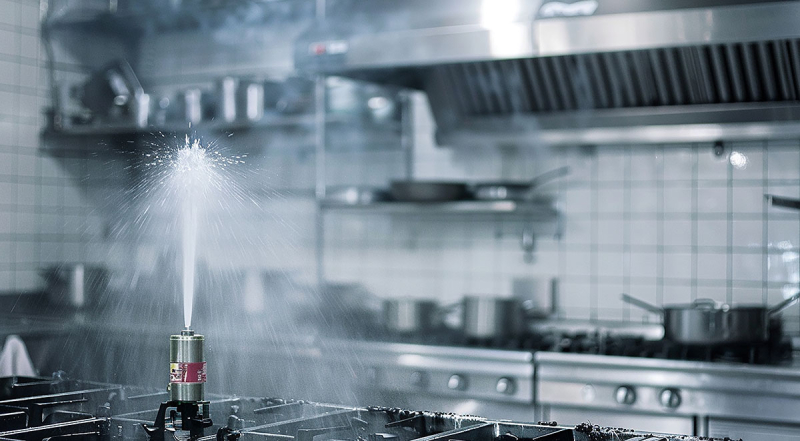
Understanding the Fire Risks in Commercial Kitchens
Commercial kitchens present some of the highest fire risks of any business environment. With open flames, high-temperature cooking equipment, grease-laden vapors, and fast-paced operations, restaurants are particularly vulnerable to fire hazards. According to the National Fire Protection Association (NFPA), cooking equipment is involved in 61% of restaurant fires, with fires in eating and drinking establishments causing an average of $246 million in property damage annually.
Understanding these risks is the first step toward implementing effective restaurant fire safety measures. Every restaurant owner and manager should recognize that standard fire protection systems designed for other commercial spaces may not provide adequate protection for the unique challenges of cooking area fire protection.
Essential Components of Commercial Kitchen Fire Suppression
Hood Fire Systems
Hood fire systems are the cornerstone of commercial kitchen fire suppression. These specialized systems are designed to protect cooking equipment and exhaust hoods where grease fires are most likely to occur. Unlike traditional sprinkler systems that use water, hood fire systems utilize chemical agents specifically formulated to suppress cooking fires.
Modern hood fire systems typically use wet chemical suppression agents that react with cooking oils and grease to form a layer of foam, effectively smothering the fire and preventing re-ignition. These systems are strategically positioned above cooking surfaces and within exhaust hoods to provide immediate response when a fire is detected.
The effectiveness of these systems depends on proper installation and regular maintenance. At Integrity Security, we understand that commercial kitchen fire suppression systems must be tailored to your specific kitchen layout and equipment configuration to ensure comprehensive protection.
Fire Detection Systems
Early detection is crucial in preventing small fires from becoming major disasters. Commercial kitchens require specialized fire detection systems that can differentiate between normal cooking activities and actual fire conditions. Standard smoke detectors are often inadequate in kitchen environments due to the constant presence of cooking smoke and steam.
Advanced detection systems for commercial kitchens include:
- Heat detectors that monitor temperature changes
- Flame detectors that identify the specific light spectrum of flames
- Multi-criteria detectors that analyze multiple indicators simultaneously
- Rate-of-rise heat detectors that respond to rapid temperature increases
These detection systems work in conjunction with suppression systems to provide immediate response when a fire is detected, automatically shutting down cooking equipment and activating suppression agents.
Read our room by room guide for fire alarm placement.
Compliance Requirements for Restaurant Fire Safety
NFPA Standards and Local Codes
Restaurant fire safety isn't just a best practice—it's a legal requirement. The NFPA establishes comprehensive standards for commercial kitchen fire protection, with NFPA 96 being the primary standard for ventilation control and fire protection of commercial cooking operations.
These standards address critical aspects including:
- Design and installation of exhaust systems
- Clearances between cooking equipment and combustible materials
- Fire suppression system requirements
- Maintenance and inspection schedules
- Employee training protocols
Beyond NFPA standards, local fire codes and building regulations may impose additional requirements. Compliance with these regulations is not optional—violations can result in fines, forced closures, increased insurance premiums, and in the worst cases, liability for injuries or property damage.
Inspection and Maintenance Schedules
Maintaining kitchen fire compliance requires adhering to strict inspection and maintenance schedules. NFPA 96 mandates that commercial kitchen exhaust systems be inspected and cleaned based on usage volume:
- Monthly for systems serving high-volume cooking operations
- Quarterly for systems serving moderate-volume cooking operations
- Semi-annually for systems serving low-volume cooking operations
- Annually for systems serving seasonal or limited cooking operations
Fire suppression systems also require regular professional inspections, typically every six months, to ensure all components are functioning properly. These inspections should verify the condition of detection devices, nozzles, piping, tanks, and control panels.
Specialized Fire Suppression Solutions
Wet Chemical Systems
Wet chemical suppression systems have become the industry standard for commercial kitchen fire suppression. These systems use a potassium-based solution that is highly effective against Class K fires (fires involving cooking oils and fats). When activated, the system discharges a fine mist of chemical agent that quickly suppresses the fire and cools the cooking surface.
The chemical reaction between the wet chemical agent and cooking oils creates a soapy foam barrier that prevents oxygen from reaching the fuel source, effectively extinguishing the fire and preventing re-ignition. This technology is significantly more effective than older dry chemical systems, which were designed for Class B fires and proved less effective against modern cooking oils.
Automatic Fuel Shut-Off
An often-overlooked component of commercial kitchen fire suppression is the automatic fuel shut-off feature. When a fire suppression system activates, it simultaneously cuts off the fuel or power supply to cooking equipment. This critical function prevents additional fuel from feeding the fire and helps prevent re-ignition after the suppression agent has been discharged.
Gas valves and electrical disconnects are integrated into the fire suppression system to ensure immediate response. This automatic shut-off capability is required by NFPA standards and provides an essential layer of protection that manual shut-off procedures cannot match during an emergency.
Beyond the Kitchen: Comprehensive Restaurant Fire Safety
Dining Area Protection
While commercial kitchen fire suppression systems are crucial, restaurants also need comprehensive fire protection throughout their entire facility. Dining areas, storage rooms, and other spaces require appropriate fire alarm systemsincluding smoke detectors, heat detectors, and manual pull stations.
These systems should be integrated to provide building-wide notification when any fire is detected. Audible and visual alarms ensure that all occupants are alerted immediately, allowing for quick evacuation if necessary. For restaurants in the North Carolina foothills and piedmont regions, local fire codes may have specific requirements for alarm notification systems based on building size and occupancy.
Emergency Exit and Evacuation Planning
Fire protection extends beyond suppression systems to include proper emergency exits, clear evacuation routes, and well-trained staff. Exit signs must be clearly marked and illuminated, and evacuation plans should be posted in both kitchen and dining areas.
Staff training is essential for effective emergency response. Employees should know:
- The location of fire extinguishers and how to use them
- How to manually activate the fire suppression system
- Evacuation procedures and assembly points
- How to assist customers during an emergency
- When to call 911 and what information to provide
Regular fire drills help ensure that everyone understands their role during an emergency and can respond quickly and calmly.
Choosing the Right Fire Protection Partner
Professional Installation and Service
The effectiveness of any commercial kitchen fire suppression system depends on proper installation by experienced professionals. Systems must be designed to match your specific kitchen layout, equipment configuration, and cooking operations. Improper installation can leave dangerous gaps in coverage or result in false activations that disrupt business operations.
When selecting a fire protection provider for your restaurant, look for companies with specific experience in commercial kitchen systems. The installer should conduct a thorough assessment of your kitchen, recommend appropriate system components, and ensure compliance with all applicable codes and standards.
At Integrity Security, we specialize in commercial fire alarm installation throughout the North Carolina piedmont, including restaurant and commercial kitchen applications. Our team understands the unique challenges of cooking area fire protection and can design systems that provide comprehensive coverage while meeting all regulatory requirements.
Ongoing Maintenance and Support
Fire protection systems require ongoing maintenance to remain effective and compliant. Your fire protection partner should provide regular inspection and maintenance services, respond quickly to service calls, and maintain detailed records of all system work.
Professional maintenance services should include:
- Semi-annual fire suppression system inspections
- Testing of all detection devices and manual pull stations
- Verification of proper system operation
- Cleaning or replacement of nozzles as needed
- Documentation for insurance and regulatory compliance
Many fire protection companies offer service contracts that ensure your systems receive regular attention and remain in optimal condition. This proactive approach helps prevent system failures and ensures you're always prepared in the event of an emergency.
The Business Case for Quality Fire Protection
Protecting Your Investment
A comprehensive fire protection system represents a significant investment, but the cost pales in comparison to the potential losses from a major fire. Beyond the obvious threat to life and safety, restaurant fires can result in:
- Complete loss of equipment and inventory
- Extended business closure during repairs
- Lost revenue and customer relationships
- Increased insurance premiums
- Legal liability for injuries or property damage
- Potential permanent closure if damage is severe
Quality fire protection systems provide peace of mind knowing that your business, employees, and customers are protected. The relatively modest cost of proper fire suppression and detection systems is simply the price of responsible business operation in the restaurant industry.
Insurance and Liability Considerations
Insurance companies recognize the fire risks associated with restaurant operations and adjust premiums accordingly. However, demonstrating that you have appropriate fire protection systems in place can potentially reduce your insurance costs. More importantly, proper fire protection helps protect you from liability in the event of a fire-related incident.
If a fire occurs and it's determined that your fire protection systems were inadequate or improperly maintained, you could face significant legal liability. Conversely, documentation showing regular maintenance and compliance with all applicable standards demonstrates your commitment to safety and responsible business practices.
Frequently Asked Questions
How often should restaurant fire suppression systems be inspected?
Restaurant fire suppression systems should be professionally inspected at least every six months, as required by NFPA standards. Additionally, kitchen exhaust systems require cleaning on a schedule determined by cooking volume—monthly for high-volume operations, quarterly for moderate-volume operations, semi-annually for low-volume operations, and annually for seasonal operations. Daily visual inspections by staff are also recommended to identify any obvious issues.
What's the difference between a commercial kitchen fire suppression system and regular sprinklers?
Commercial kitchen fire suppression systems use wet chemical agents specifically designed to suppress grease fires (Class K fires), while traditional sprinklers use water and are designed for Class A fires involving ordinary combustibles. Water is actually ineffective against grease fires and can spread burning oil. Hood fire systems also include automatic fuel shut-off and are positioned to protect cooking equipment directly, while sprinklers provide general building protection from above.
Are portable fire extinguishers still necessary if I have an automatic suppression system?
Yes, portable Class K fire extinguishers are still required in commercial kitchens even with automatic suppression systems installed. These extinguishers provide a means for staff to address small fires before they spread or to suppress fires in areas not covered by the automatic system. NFPA 10 requires that Class K extinguishers be located within 30 feet of commercial cooking equipment. Staff should be trained in proper extinguisher use, but should also understand when to evacuate rather than fight a fire.
Conclusion
Restaurant fire protection requires specialized solutions that address the unique challenges of commercial kitchen environments. From hood fire systems and wet chemical suppression to comprehensive detection and monitoring, every component plays a crucial role in protecting your business, your employees, and your customers.
If you're ready to protect your restaurant with professional fire protection systems, contact Integrity Security for a free estimate. Our team has the expertise to design, install, and maintain fire protection systems that meet the specific needs of your commercial kitchen while ensuring full compliance with all applicable codes and standards.