
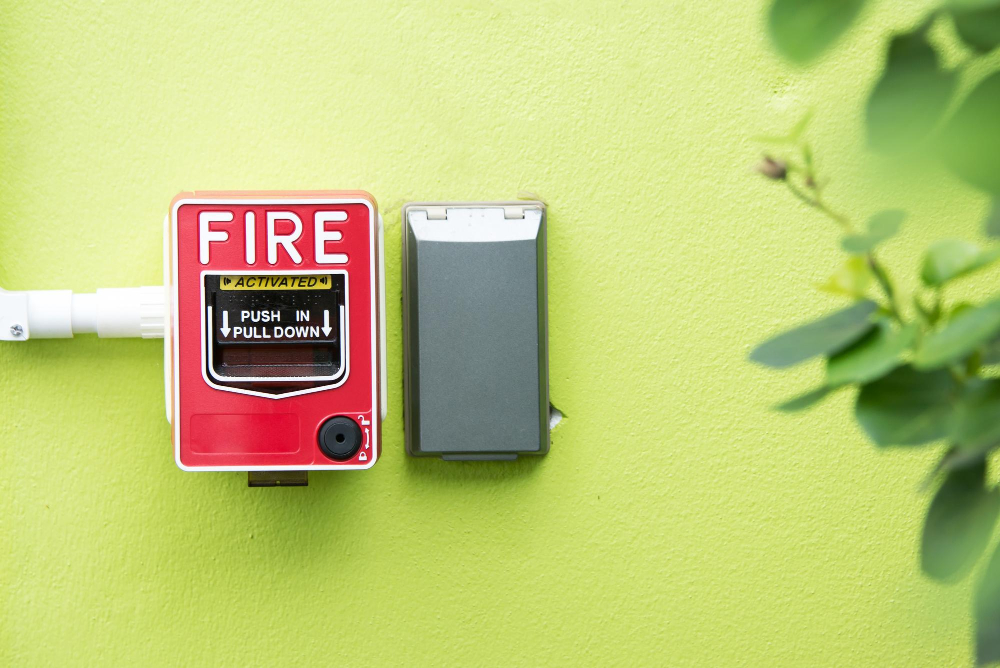
 Protecting your property from fire damage starts with professional fire alarm system installation. Throughout the North Carolina foothills and piedmont regions, homes and businesses face fire risks that require reliable detection and rapid response capabilities. Whether you're upgrading an outdated system or installing fire protection for the first time, choosing experienced local installers like Integrity Security ensures your property meets safety codes while providing the peace of mind that comes with comprehensive fire detection.
Professional Fire Alarm Installation
Fire alarm systems are critical life-safety equipment that must function flawlessly during emergencies. According to the National Fire Protection Association, U.S. fire departments respond to over 1.3 million fires annually, resulting in thousands of deaths, tens of thousands of injuries, and billions of dollars in property damage. Professionally installed fire alarm systems significantly reduce these risks by providing early warning that saves lives and minimizes property loss.
The Risks of DIY Fire Alarm Installation
While some homeowners and business owners consider installing fire alarms themselves to save money, this approach creates serious risks:
Code Compliance Issues: Fire alarm installation must comply with National Fire Alarm and Signaling Code (NFPA 72) requirements plus local building codes. Professional installers understand these complex regulations and ensure systems meet all applicable standards. Improperly installed systems may fail inspections, require costly corrections, or worse—fail to operate during actual fires.
Inadequate Coverage: Effective fire detection requires strategic placement based on room sizes, ceiling heights, air flow patterns, and potential ignition sources. Professional installers assess your property to determine optimal detector locations, ensuring comprehensive coverage without gaps.
Equipment Compatibility: Modern fire alarm systems integrate multiple components including smoke detectors, heat detectors, carbon monoxide detectors, and notification devices. Professionals ensure all components work together properly and communicate effectively with monitoring services.
Benefits of Professional Installation
Working with experienced fire alarm system installers provides numerous advantages:
- Expert System Design: Professionals analyze your property's unique characteristics to design customized systems
- Quality Equipment: Established security companies install commercial-grade detection devices offering superior reliability
- Code Compliance Assurance: Professional installers ensure systems meet all local, state, and federal requirements
- Proper Testing: Thorough testing verifies all system components function correctly
- Ongoing Support: Professional installers provide maintenance, inspection, and repair services
- Integration Capabilities: Modern systems integrate with security systems and building automation
Comprehensive Fire Detection Solutions
Professional fire alarm installation encompasses multiple detection technologies working together to identify fires quickly regardless of how they start or develop.
Smoke Detectors
Smoke detectors represent the primary fire detection method for most properties. These devices use two main technologies:
Ionization Smoke Detectors: These detectors respond quickly to fast-flaming fires that produce small combustion particles. They work well for detecting fires involving flammable liquids or paper products.
Photoelectric Smoke Detectors: Photoelectric detectors excel at identifying smoldering fires that generate larger smoke particles before open flames develop. These detectors provide earlier warning for fires involving upholstered furniture, bedding, or electrical wiring.
Professional installers often recommend combination detectors incorporating both technologies, providing comprehensive protection against different fire types.
Heat Detectors
Heat detectors complement smoke detection by monitoring temperature changes. These devices work particularly well in environments where smoke detectors cause false alarms—such as kitchens, garages, attics, and utility rooms where cooking fumes, vehicle exhaust, or dust might trigger smoke sensors.
Heat detectors operate using two methods:
- Fixed-Temperature Detectors: These activate when ambient temperature reaches a predetermined threshold
- Rate-of-Rise Detectors: These respond to rapid temperature increases, identifying fires even before fixed thresholds are reached
Carbon Monoxide Detectors
Carbon monoxide (CO) represents a silent killer—an odorless, colorless gas produced by incomplete combustion of fuels. Professional fire alarm installations include carbon monoxide detection near fuel-burning appliances, attached garages, and sleeping areas.
Carbon monoxide detectors provide critical protection against:
- Malfunctioning furnaces or water heaters
- Blocked chimneys or flues
- Vehicle exhaust in attached garages
- Portable generators operated indoors
- Gas stoves producing incomplete combustion
Modern CO detectors integrate with fire alarm systems, triggering coordinated responses when dangerous gas levels are detected.
Residential Fire Alarm Installation
Home fire protection requires careful planning to provide comprehensive coverage while accommodating unique residential layouts and living patterns.
Required Detector Locations
Building codes specify minimum fire alarm requirements for residential properties:
Bedroom Protection: Smoke detectors must be installed inside every bedroom where occupants sleep, providing critical early warning if fires start in sleeping areas.
Hallway Coverage: Smoke detectors are required in hallways outside sleeping areas, ensuring occupants receive warnings as they exit bedrooms during evacuations.
Level-by-Level Protection: Every level of the home, including basements, requires at least one smoke detector. Additional detectors should be placed in living rooms and other frequently occupied spaces.
Interconnected Operation: Modern residential fire alarm systems interconnect all detectors so activation of any single device triggers all alarms throughout the home.
For homeowners throughout the region seeking comprehensive protection, residential security services include professional fire alarm system design and installation customized to your home's specific requirements.
Commercial Fire Alarm Installation
Commercial properties face more complex fire protection requirements than residential buildings. Larger spaces, higher occupancy levels, and stricter regulatory requirements demand sophisticated fire alarm systems designed and installed by experienced professionals.
Commercial System Components
Commercial fire alarm installations typically include:
- Fire Alarm Control Panel: The system's central hub that monitors all detection devices and communicates with monitoring services
- Addressable Devices: Individual detectors with unique identification allowing the control panel to pinpoint exactly which device activated
- Zone Configuration: Logical grouping of devices by building area enabling rapid fire location identification
- Remote Annunciators: Secondary control panels providing system status information
Industry-Specific Requirements
Different business types face unique fire protection needs:
Retail Stores: Open floor plans require comprehensive detector coverage with special attention to stockrooms and mechanical spaces where fires often start undetected.
Restaurants: Commercial kitchens need specialized suppression systems integrated with building-wide fire alarms. Heat detectors prevent false alarms from cooking operations.
Office Buildings: Multi-tenant office properties require zone configurations allowing fire department responders to quickly identify affected areas.
Churches and Religious Facilities: Houses of worship balance aesthetic considerations with comprehensive fire protection through discreet detector placement.
Business owners seeking comprehensive fire protection can explore commercial security services that integrate fire alarms with access control, security cameras, and other protective systems.
Fire Alarm Monitoring Services
Fire alarm systems provide maximum protection when connected to professional monitoring services that ensure rapid emergency response 24 hours per day, 365 days per year.
How Fire Alarm Monitoring Works
When fire alarms activate, signals transmit immediately to monitoring centers staffed by trained operators who:
- Verify the alarm is genuine rather than a false activation
- Contact the property to confirm fire conditions
- Dispatch fire department responders to the property
- Notify property owners or designated contacts
- Document the incident for insurance and records purposes
Local Monitoring Advantages
Local monitoring centers offer significant benefits over distant national monitoring facilities. Operators familiar with your community understand local addresses, can communicate effectively with local fire departments, and often provide faster response coordination.
Why Choose Local Fire Alarm Installation Services
Selecting experienced local fire alarm system installers provides numerous advantages:
Local Expertise and Availability
Local security companies understand regional building codes, climate considerations, and common construction types throughout the area. When you need service, support, or emergency repairs, local technicians respond quickly.
Personalized Service
Local companies build long-term relationships with clients, providing personalized attention and customized solutions rather than standardized packages. Your installer knows your property and remains available for questions or concerns.
Community Investment
Local businesses invest in their communities, supporting local economies and maintaining reputations built on quality work and customer satisfaction. This accountability incentivizes quality work and responsive customer service.
Serving North Carolina's Foothills and Piedmont Regions
Integrity Security provides professional fire alarm system installation throughout the North Carolina foothills and piedmont regions, serving residential and commercial clients in communities including North Wilkesboro, Wilkesboro, Statesville, Mooresville, Hickory, Lenoir, Winston-Salem, Boone, West Jefferson, Yadkinville, Sparta, Mount Airy, Mocksville, Morganton, Blowing Rock, Dobson, and Booneville.
For specific information about our coverage in your community, visit our service area page.
Our Fire Protection Products and Services
Integrity Security offers comprehensive fire protection products designed to safeguard families, homes, businesses, and possessions throughout the region. Our fire and safety offerings include:
- Fire Alarms: Professionally installed systems meeting all code requirements
- Smoke Detectors: Advanced detection using ionization, photoelectric, or combination technologies
- Carbon Monoxide Detectors: Protection against dangerous CO exposure
- Panic Buttons: Emergency activation devices for immediate help summons
Beyond installation, we provide ongoing support including system monitoring, regular maintenance, inspection services, and prompt repairs. To learn more about our complete product line, explore our products page.
Frequently Asked Questions
How much does professional fire alarm installation cost?
Fire alarm installation costs vary based on property size, system complexity, number of detection devices, and integration requirements. Residential systems typically range from $800 to $3,000, while commercial installations vary from $2,000 to $10,000 or more. We provide free estimates allowing property owners to understand costs before committing to installation.
Do I need a permit for fire alarm installation?
Most jurisdictions require permits for fire alarm system installation to ensure work meets building and fire codes. Professional installers handle permit applications, coordinate inspections, and ensure all work complies with applicable regulations.
Can fire alarms integrate with my existing security system?
Yes, modern fire alarm systems integrate seamlessly with security systems, creating comprehensive protection platforms. Integration allows coordinated responses—such as unlocking doors during fire evacuations or triggering security cameras to record fire incidents.
How often should fire alarm systems be tested?
Homeowners should test smoke detectors monthly using the test button on each device. Commercial properties require more comprehensive testing quarterly or annually depending on local codes. Professional inspection services ensure all components function properly and meet regulatory requirements.
Protect What Matters Most with Professional Fire Alarm Installation
Fire protection represents one of the most important investments property owners make. Professional fire alarm system installation provides reliable detection, rapid emergency response, and peace of mind knowing your family, employees, and property have comprehensive protection against fire hazards.
Contact Integrity Security today for a free fire protection assessment and estimate. Our experienced team will evaluate your property, recommend appropriate fire detection solutions, and provide professional installation that meets all code requirements while fitting your budget.
With 50 years of combined experience in residential and commercial security, we understand what it takes to protect what matters most. Our commitment to quality installations, honest service, and customer satisfaction has made us the trusted choice for fire protection throughout North Carolina's foothills and piedmont regions.
Contact us today to schedule your free fire alarm system consultation. Protect your family, home, business, and possessions with professional fire detection solutions installed by local experts who care about your safety and security.